
The Practice: No Agenda Outside
Twenty minutes. Sunlight, ambient sounds, no technology. That's it.
THE PRACTICE
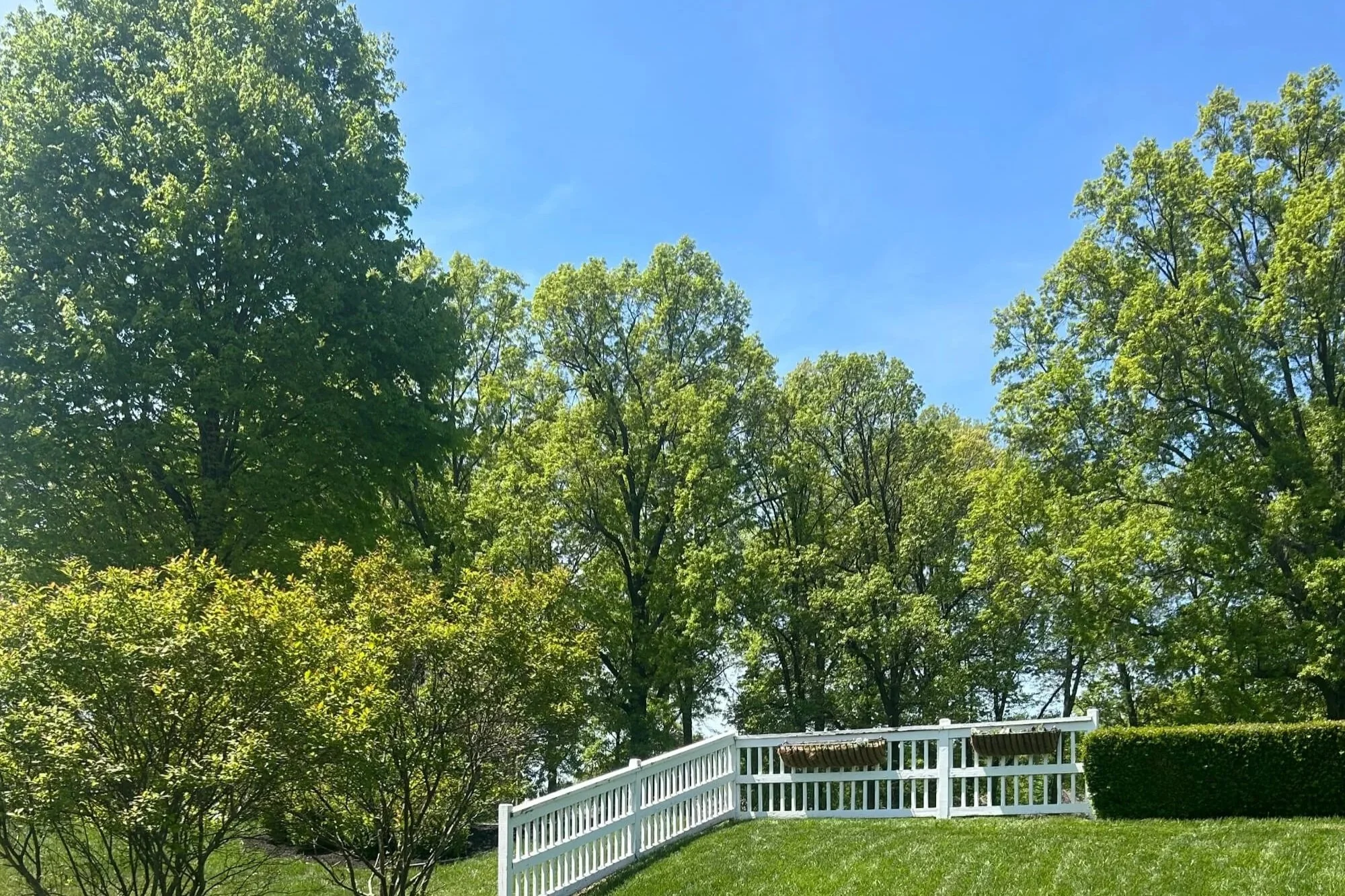
Go outside, without a phone, without a task, for at least twenty minutes. Sit, walk slowly, do nothing in particular. Let whatever is around you, birds, wind, traffic in the distance, be the only thing filling the space.
WHY I KEEP AT IT
Big milestones get remembered. The hundred small things that made them possible usually don't. This practice is what catches those. A hard conversation handled well. A goal that moved forward an inch. A moment of connection with someone you love that would otherwise just blend into the day. Gratitude doesn't erase what's hard. It just makes sure the good doesn't slip by unnoticed.
There's real research behind this, not just a feeling. Psychologist Robert Emmons at UC Davis has spent over two decades studying gratitude, and his work found that people who kept a simple gratitude journal reported better mood, more energy, fewer physical symptoms of stress, and made more progress toward their actual goals than people who journaled about daily hassles instead. Gratitude isn't just a nice habit. It changes how present you are for your own life.
HOW I DO IT
Most mornings I take my breakfast, or my Five Minute Journal, out to the front steps with a cup of tea. No plan beyond being there. What I've noticed is that this isn't about fixing anything or solving anything, and that's actually the point. It's simple, not mystical.
There's real research behind why this works. Psychologists Rachel and Stephen Kaplan developed what's known as Attention Restoration Theory, the idea that focused attention, the kind we use constantly for tasks, meetings, and decisions, gets fatigued the same way a muscle does. Natural environments let that kind of attention rest, because nature holds our interest gently instead of demanding it. Some of the research is almost oddly specific on this point: the first twenty minutes outside appear to produce more mental recovery per minute than any stretch after that. Quiet isn't just pleasant. It's how the part of your brain that's been working all day actually gets to stop.
We were all told to go play outside as kids, and I don't think it was only about the play. I think our moms wanted us out of the house as much as they wanted us occupied. But the getting outside did just as much for us as it did for them. Both of us got a little ease out of the deal.
ONE MORE THING
Some days it's the front steps with tea. Other days it's walking my dog Mojo, though calling it a walk is generous, it's really a slow sniff-and-stroll at her pace, not mine, which turns out to be its own version of this practice. I've also brought a book to the backyard plenty of times with every intention of reading it, and mostly just sat there in the sun instead. That's fine too.
THIS IS FOR YOU IF
You've been telling yourself to unplug more and it hasn't stuck, or if you just miss the particular kind of quiet that only happens outside.